Tips for Selecting the Perfect General Contractor for Your Next Home Undertaking
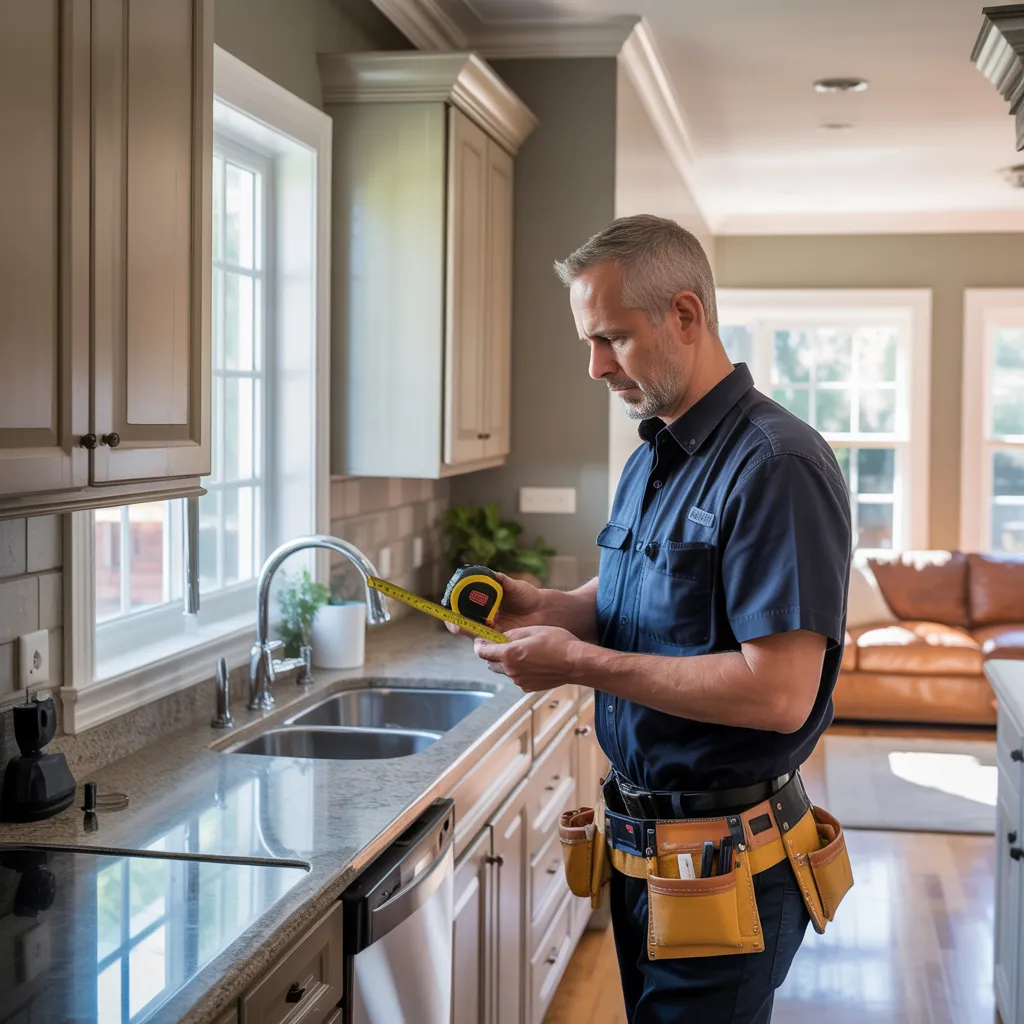
Selecting the appropriate construction professional for your home project is a crucial decision. This requires careful consideration of multiple factors, such as experience, qualifications, and communication skills. Many property owners miss important details, resulting in expensive errors. Understanding how to assess prospective professionals can make a significant difference. By focusing on vital standards and asking the right questions, one can navigate this complex process more efficiently. What are the important measures to ensure a successful partnership?
Recommendations to Steer clear of Typical Traps When Choosing a Builder
When finding a general contractor, how can one navigate the countless options without getting caught in usual pitfalls? Prospective clients often miss key details that can produce disappointing consequences. First, judging only by cost can be misleading; the lowest bid may signify inferior workmanship or hidden costs. Additionally, failing to look at references or feedback online can result in hiring a contractor with a poor track record. It is also essential to not rely solely on charm; a friendly contractor may not demonstrate the required abilities or trustworthiness. Moreover, failing to establish clear communication and expectations can lead to mistakes and unhappiness. Finally, omitting comprehensive contract evaluation before signing can result in surprise commitments or lack of safeguards. By being careful and aware, homeowners can make stronger determinations, ultimately bringing about a triumphant completion.
Essential Points to Review in a Contractor's Professional History
When evaluating a contractor's experience, multiple important elements become relevant. Relevant project experience, industry certifications, and an extensive portfolio of finished projects represent critical indicators of their capabilities. Examining these aspects can provide useful understanding into the contractor's appropriateness for the particular job at hand.
Suitable Undertaking Background
Recognizing a contractor's relevant project experience is essential for guaranteeing the success of any construction endeavor. Potential customers should evaluate the contractor's body of work, focusing on completed projects comparable in size and design to their own. This involves examining the quality of workmanship, adherence to timelines, and cost control in past projects. Additionally, it is advantageous to inquire about the types of materials used and the contractor's familiarity with local building codes and standards. Testimonials and references from past clients can provide insights into the contractor's reliability and communication skills. Ultimately, a contractor with substantial relevant experience can handle difficulties effectively, guaranteeing the project satisfies the homeowner's requirements and benchmarks.
Professional Certifications And Licenses
Certification and authorization act as key indicators of a contractor's competence and proficiency in the construction industry. When choosing a general contractor, it is crucial to verify that they hold the demanded licenses set by local and state regulations. These licenses prove compliance with building codes and safety standards. Moreover, industry certifications, such as those from the National Association of Home Builders or other comparable organizations, showcase a contractor's commitment to quality and continuous education. Contractors possessing specialized certifications may also have skills in particular areas, like green building or remodeling. Making sure a contractor has the appropriate credentials not only creates confidence in their abilities but also reduces potential legal and financial risks during the project.
Showcase Of Completed Work
A professional's portfolio containing accomplished tasks is an essential means for assessing their skill and abilities. This set should highlight a diversity of projects, illustrating versatility in various styles and levels of complexity. When examining a portfolio, possible buyers ought to find clear images that clearly illustrate the artistry involved. It is advantageous to find projects that correspond to the homeowner's specific needs or aesthetic preferences. Meticulousness, new methods, and respecting schedules are important signals of a contractor’s skill. In addition, buyer feedback or case studies contained in the portfolio can provide greater understanding into the contractor's work ethic and commitment. Ultimately, a strong portfolio assists homeowners to make informed decisions about their upcoming projects.
How to confirm Your Contractor's Qualifications and Permits
Before engaging a general contractor, it is vital to check their credentials and licenses to verify they comply with industry standards. Commence by contacting local licensing boards to verify that the contractor holds the required licenses for your region and project type. Each state sets its own requirements, so becoming aware of them can prevent upcoming problems.
Furthermore, inquire about insurance coverage, encompassing liability and workers' compensation, to secure protection against potential accidents or damages. Request references from previous clients and follow up to evaluate satisfaction and reliability.
Lastly, check any qualifications the contractor may obtain, as these often show professional development and adherence to industry best practices. A thorough verification process not only ensures adherence but also creates assurance in the contractor's ability to execute the project successfully.
Why Open Communication Is Vital in Your Contractor Connection
Effective dialogue plays a pivotal role in the relationship between contractors and clients, determining the project's success from the outset. Clear dialogue establishes expectations, timelines, and budgets, guaranteeing both parties are aligned on the project's goals. When clients express their vision effectively, contractors can provide informed recommendations and solutions, enhancing the overall outcome.
Consistent updates and clear channels of contact facilitate quick resolution of issues as they arise, minimizing potential delays. Additionally, a contractor who listens and replies to client feedback establishes trust, which is vital for collaboration.
In addition, effective interaction aids in addressing modifications and unexpected challenges, keeping the project on track. It permits the contractor to adjust approaches based on client input, guaranteeing contentment during the project. Ultimately, prioritizing communication not only strengthens the contractor-client bond but also significantly supports to the successful completion of the home project.
Important Queries to Raise with Your Contractor During Initial Meetings
When first meeting with a contractor, clients should make it a priority on understanding their experience and qualifications. It's imperative to examine the project timeline and budget to confirm alignment with the client's expectations. These questions establish a foundation for a successful partnership and effective project management.
Experience and Competencies
Choosing a contractor comes down to understanding their professional background and qualifications. Homeowners must inquire about the contractor's years in business and the variety of projects executed. Asking particular inquiries about appropriate licenses, certifications, and insurance is important, as these assure following local laws and provide protection during the project. Additionally, checking past work through previous work samples or recommendations can provide insight into the contractor's skill and trustworthiness. It is also beneficial to ask about their experience in similar projects, since this can demonstrate their ability to tackle particular challenges. In conclusion, evaluating a contractor's background and skills builds confidence and guides homeowners in making educated decisions about their home improvements.
Project Schedule and Financial Allocation
What ways can property owners use to guarantee their project stays on schedule in terms of budget and time when consulting with a general contractor? To stay aligned, they should pose important questions during initial meetings. Homeowners must ask regarding the projected schedule for project completion and any possible setbacks that could occur. Understanding the contractor's approach to managing schedules is essential. Furthermore, addressing the budget upfront is important; homeowners should seek clarity on pricing quotes, payment schedules, and any built-in reserves for unexpected costs. Asking about previous projects can provide insight into the contractor's reliability in meeting deadlines and staying within budget. By establishing clear communication regarding timelines and finances, homeowners can foster a productive relationship with their contractor, boosting the prospects of a successful project.
Helpful Hints for Validating References and Reading Through Reviews
What actions should one take read the full story to guarantee a general contractor is dependable? First, it is essential to request a list of references from potential contractors. A credible contractor will promptly give names and contact information of previous clients. One should reach out to these references to ask about their experiences, focusing on aspects such as communication, quality of work, and adherence to timelines.
Also, studying online reviews on platforms like Google, Yelp, or Angie's List can furnish significant insights. It is imperative to look for patterns in the reviews—persistent accolades or disapproval can signify reliability or probable issues.
Furthermore, examining any complaints filed with local licensing boards or consumer protection agencies can reveal a contractor's background. Finally, asking for recent photographs of completed work can help assess the caliber of their work. By taking these steps, one can make a more educated decision when choosing a general contractor.
Learning About Professional Fees and Payment Policy
Property owners should become acquainted with conventional payment terms. Most contractors request a deposit ahead of time, with progress payments connected to project milestones. It's important to address these terms before agreeing to a contract to eliminate misunderstandings. Moreover, homeowners should ask about potential hidden fees, such as permits or unanticipated work. Direct communication regarding payment structure and pricing will help foster a open working relationship, eventually resulting in a successful project outcome. Learning about these elements provides homeowners the ability to make smart choices when picking a general contractor.
Often Posed FAQs
What Is the Timeline for Finishing the Project?
The project timeline generally fluctuates depending on scope and complexity. Typically, completion could require several weeks to months. Factors including weather, material availability, and workforce availability can significantly impact the completion timeline.
What Transpires if Unanticipated Challenges Surface During Project Work?
If unforeseen issues occur during the building, the contractor usually assesses the situation, communicates with the property owner, and proposes solutions. Adjustments to the timeline and spending may be necessary, ensuring transparency throughout the process.
Does My Project Require Authorizations or Reviews?
Most assignments demand permits and inspections to guarantee adherence with local construction standards. It is vital to speak with a general contractor who grasps these requirements, as they can handle the permit procedures effectively.
How Do You Administer Subcontractors and Their Payment Arrangements?
A well-regarded general contractor coordinates subcontractors by establishing well-defined agreements outlining payment terms. They secure expedient payments, preserve clear dialogue, and review subcontractor performance, fostering a cooperative culture that contributes to project achievement and optimization.
What Is Your Policy on Project Modifications or Upgrades?
The contractor maintains a accommodating approach to project changes, calling for written records for any upgrades. They guarantee clear communication, analyze financial ramifications, and adjust timelines accordingly to accommodate the client's evolving needs and preferences.